
Episode 011 Love Your Liver
Jan 31, 2026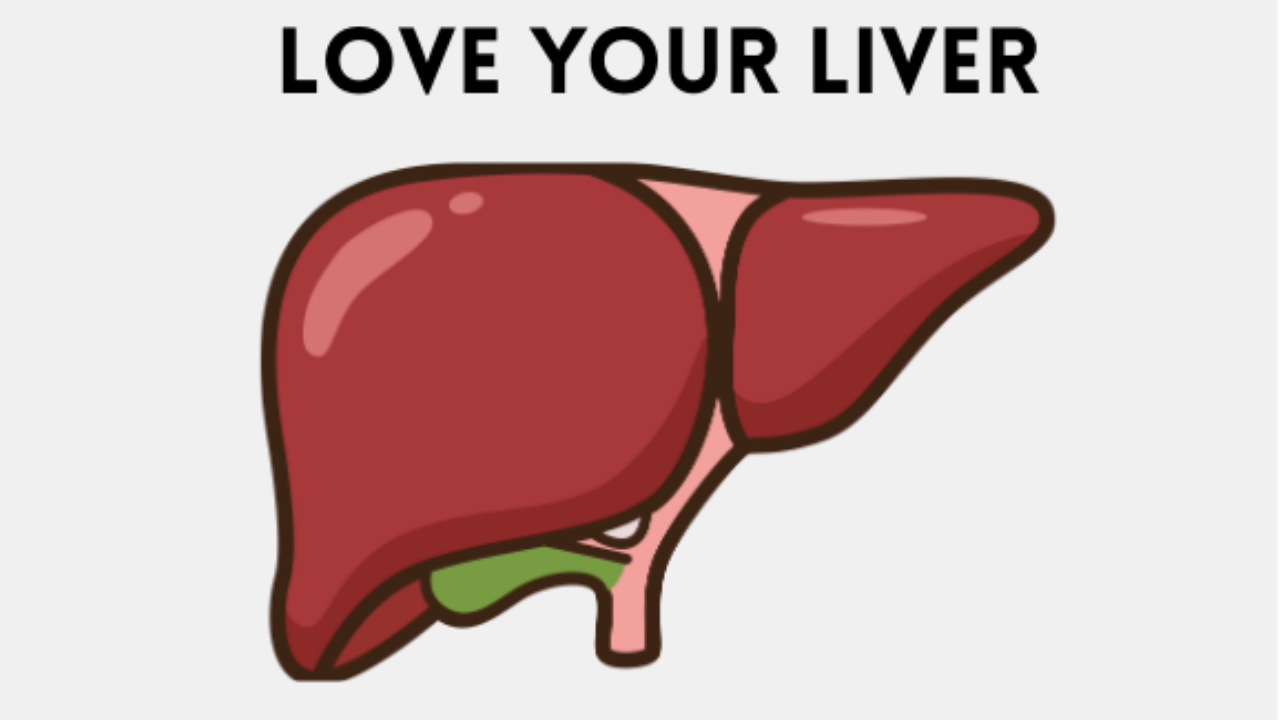
Love Your Liver: The Organ That Does More Than You Think
Most people don’t think much about their liver, until something feels off.
Yet, your Liver is one of the hardest-working organs in your body.
Did you know that it quietly performs over 500 different jobs, every single day, to help keep you alive, balanced, and feeling well?
If your energy feels low, digestion feels slow, your mood feels shorter than it used to be, or your weight feels harder to manage, your liver may be asking for support.
Let’s talk about why.
Is this your normal day?
You wake up tired, even though you went to bed at a reasonable hour.
Mornings are busy, so breakfast is often rushed or skipped.
You must have that cup of coffee to get going.
By mid-morning, your energy dips. That’s often when you reach for something quick and easy - a granola bar, crackers, a muffin, or a handful of snacks from a bag. You get a short burst of energy…and then the crash comes.
You may or may not SIT and eat lunch. You often work while you eat or are on the go.
By mid-afternoon, you’re hungry again, usually for craving something sweet or salty.
Dinner happens late, often while juggling kids, homework, or activities. Pizza or drive thru are your saviors, more often than you’d like.
Your clothes feel tighter. Your belly feels puffy. Your patience is thinner than it used to be.
And then there are the moments that feel the worst,
…Snapping at your kids
…Feeling irritated “out of nowhere”
…A sudden wave of frustration or anger
Later, the mommy guilt hits, “Why did I react like that?”
You might tell yourself, “This must be hormones. Maybe it’s my age. I’m just so tired. I just need more willpower.”
Very often, what’s really happening is quieter and more physical. Your liver is getting overloaded.
Take a breath. It’s not you, it’s physiology.
What Does the Liver Actually Do? (A Lot.)
Your liver supports many important jobs every day, including PROTECTING your body.
It helps protect you by:
- Cleaning your blood (filtering out waste and toxins)
- Protecting your cells by removing substances they don’t need
- Managing hormones so they don’t build up
- Supporting immune defense
- Reducing inflammatory load
- Producing bile to help digest food
- Helping control blood sugar
- Supporting energy production
In simple terms:
When the liver does what it’s supposed to do, the body feels safer.
And when the body feels safer, everything works better.
The Liver Can Heal — And That’s Good News
Did you know that the liver has an incredible ability to regenerate.
It’s a lot like a starfish.
When a starfish loses an arm, it doesn’t panic. With the right conditions, it simply grows a new one.
Your liver is designed the same way.
Even after years of stress, sugar, alcohol, medications, or overwhelm, the liver can rebuild, when it feels supported instead of attacked.
If you provide your liver the support it needs - nutrients, hydration, good digestion, and a clear way to remove waste - it can repair damaged cells and restore function over time.
If you’d like to know what I personally use to support my liver, you’re welcome to reach out. Email me at onedropheals@yahoo.com, and I’m happy to share what’s been helpful for me.
How Modern Life Overloads the Liver
You aren’t doing anything “wrong.” You’re just living in the modern world.
Common liver stressors include:
- Alcohol
- Sugar and processed foods
- Frequent packaged snacks and refined carbs
- Sweetened drinks (soda, fancy coffees, juices)
- Medications
- Environmental toxins (in cleaners, fragrances, plastics, make up, soaps, toothpaste, mouthwash)
- Chronic stress
- Poor sleep
Over time, this can reduce the liver’s ability to protect, and the body responds by:
- Holding onto fat
- Slowing metabolism
- Increasing cravings
- Feeling inflamed or reactive
- Becoming more irritable or emotionally sensitive
These are simply signals. The body’s way of communicating that it’s not getting the support it needs.
“Everything the body does, it does to keep us alive.” ~ Lisa Malia
Why Irritability and Anger Matter (Especially for Moms)
In Traditional Chinese Medicine, the liver is closely linked with anger and irritability.
When the liver is overloaded or sluggish, emotions can come out quickly — frustration, impatience, or sudden emotional outbursts.
For moms, this often turns into guilt. “I shouldn’t have snapped. Why am I so irritable? What’s wrong with me?”
Nothing is wrong with you.
When the liver is busy trying to protect the body from overload, emotional regulation becomes harder. Supporting the liver often helps emotions feel less explosive and more manageable, because the body no longer feels under threat.
Physical and Emotional are intertwined.
Protection isn’t just physical, it’s emotional too.
If you’d like to know what I personally use to support my emotions, you’re welcome to reach out. Email me at onedropheals@yahoo.com, and I’m happy to share what’s been helpful for me.
Liver Health, Hormones, and Weight Gain (Especially During Peri-Menopause)
Many women notice weight gain during peri-menopause, even when they haven’t changed how they eat or how much they’re moving and exercising.
Hormones do play a role. But here’s a key piece that often gets missed:
Your liver helps protect you by processing and clearing excess hormones.
When hormones are shifting and the liver is already overloaded, hormone clearance can slow down. To protect itself, the body may:
- Store fat (especially around the belly)
- Increase inflammation
- Intensify cravings
- Slow metabolism
Your body is choosing protection over weight loss.
When liver support improves, weight balance often becomes more possible.
Detox Isn’t About “Cleansing” — It’s About Flow
As you support your liver, it often becomes more efficient. That means it releases more waste and toxins.
Those toxins must leave the body.
Did you know that toxins leave the body in several ways - the breath via exhaling, urine, sweat, and skin.
But the main exit route is through bowel movements (pooping).
Why Pooping Matters (More Than You Think)
Healthy elimination means:
- Going at least once a day (and often more than once a day)
- Easy to pass (no straining)
- Feeling complete
If waste doesn’t leave the body properly:
- Toxins can be reabsorbed
- The liver gets burdened again
- Signs that waste is stuck in your intestines - smelly gas, bloating, rashes, itching, brain fog, irritability, cravings, weight gain.
This is why elimination is essential when supporting the liver.
(Yes — this deserves its own blog. Stay tuned)
If you’d like to know what I personally use to support my liver and digestion, you’re welcome to reach out. Email me at onedropheals@yahoo.com, and I’m happy to share what’s been helpful for me.
Hydration and Fiber: Non-Negotiable Liver Support
Two simple things make a big difference:
Water
Water helps move waste out of the body. Without enough water, detox pathways slow down.
Making sure the cells are hydrated is important, too. Often, just drinking clean, plain water is not enough to hydrate the cells. Without the right balance of minerals, cells can’t properly hydrate.
Fiber
Fiber binds waste in the gut so it can be eliminated. Without enough fiber, toxins can sit too long and then recirculate back in the blood.
Eating more fruits, vegetables, beans, chia, ground flax, seaweed is one of the easiest ways to increase fiber naturally.
If you’d like to know what I personally use to keep my cells hydrated and when I need extra fiber support, you’re welcome to reach out. Email me at onedropheals@yahoo.com, and I’m happy to share what’s been helpful for me.
Food First: Fueling the Liver With Real Nutrition
The liver is made of living cells. Cells need nutrients as fuel. No nutrients > No fuel > No energy > Cells can’t function properly.
Ideally, those nutrients come from food first:
- Organic fruits and vegetables
- Leafy greens
- Beans and legumes
- Grass-fed beef
- Free-range chicken and eggs
- Wild-caught fish
- Seaweed and mineral-rich foods
These foods help support liver cells, digestion, and elimination.
Why Many People Still Need Extra Nutritional Support
Even people who eat well may still fall short because:
- Soil is more depleted than it used to be so the fruits and vegetables don’t have the same amount of nutrients. Need to eat significantly more to get the same amount of nutrients as our grandparents.
- Fresh food travels farther (thousands of miles). By the time it gets to you, it has less nutrients.
- Stress increases nutrient needs. More stress, more nutrients needed.
- Digestion and absorption may be compromised. Reducing the amount of nutrients your body can absorb.
This is why many people choose high-quality, absorbable vitamin and mineral support. Not instead of food, but to supplement it.
Supplementation is not a shortcut. It’s needed support in today’s modern demanding world.
If you’d like to know what I personally use to support my body’s nutrient needs, you’re welcome to reach out. Email me at onedropheals@yahoo.com, and I’m happy to share what’s been helpful for me.
Where Do I Start? (Choose One)
If this feels like a lot, take a breath. You don’t need to do everything at once.
Choose one place to begin:
☐ Drink more water
☐ Add more fiber (fruits, vegetables, beans)
☐ Reduce alcohol
☐ Cut back on sweetened drinks
☐ Ditch and switch household products
☐ Support regular elimination
☐ Eat more whole foods
☐ Add high-quality nutritional support
Commit to making this change for 21 days. These first 21 days are about practice, not perfection.
Most people stop around Day 7 (it’s uncomfortable), Day 10 (life gets busy), Day 14 (they miss a day and feel discouraged).
Not because the habit doesn’t work, but because the brain hasn’t had enough time to feel safe with the change.
Consistency is what teaches safety. And a liver that feels safe can finally focus on repair instead of survival.
Small steps, done consistently, matter.
If you’re ready to take charge of your health and create lasting change,
First 21 days: Learning new habits
Days 30–60: Feeling the benefits
90 days: Making it sustainable
Reach out to me for more information about our 90 Day Reset to see if it meets your needs. Email me at onedropheals@yahoo.com.
Final Thought
Your liver does more than you think.
And when you support it gently and consistently, the ripple effects can be powerful:
- More energy
- Better digestion
- Calmer moods
- Easier weight balance
- Less guilt and frustration
Your body wants to work with you.
Supporting your liver doesn’t require extremes. It starts with understanding, small changes, and consistency.
If something in this article resonated with you, trust that. And if you’d like guidance, support, or simply to know what I use personally, you’re welcome to reach out at onedropheals@yahoo.com.
You don’t have to do this alone — and you don’t have to rush.
Coming Soon
- Let’s Talk About Poop: What Your Bowel Movements Are Telling You
- Why Modern Nutrition Often Isn’t Enough
- Simple Daily Habits That Support Liver Health
